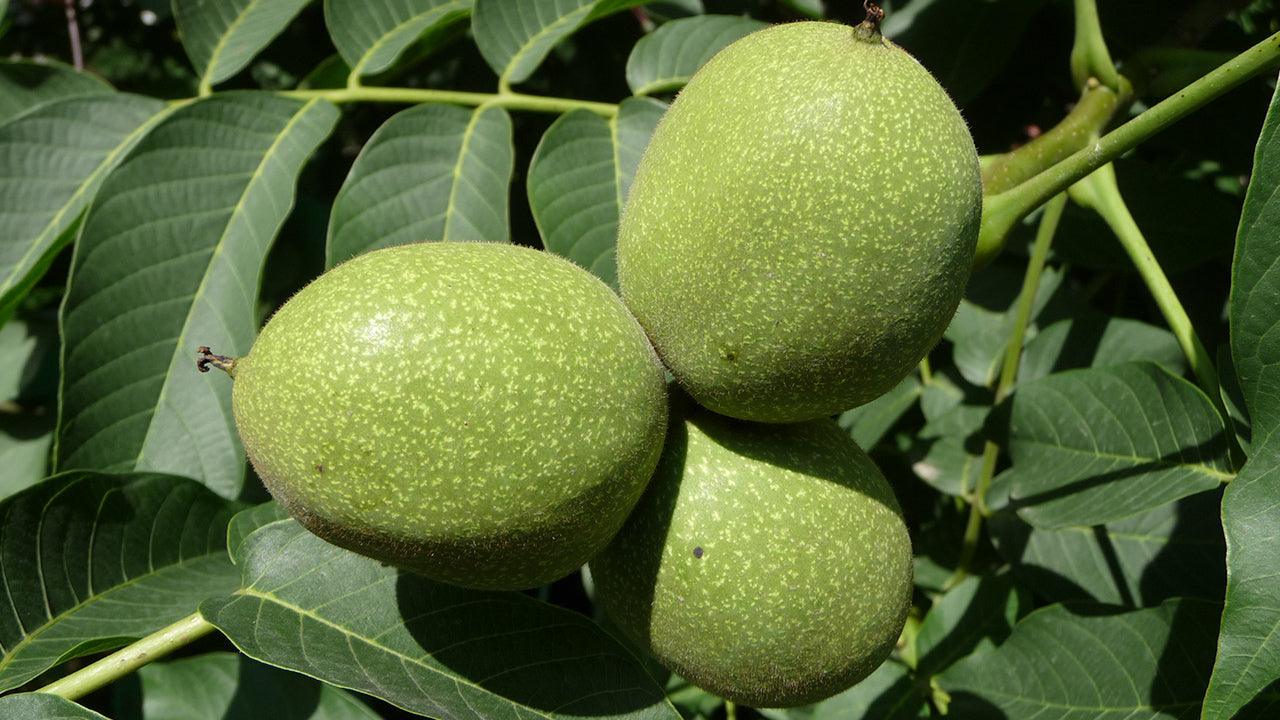

The Black Walnut tree (*Juglans nigra*) is a majestic native species prized for its rich, dark wood and flavorful nuts. However, its presence in a residential landscape often comes with unique problems that prompt homeowners to consider removal.
Three Primary Hazards of Black Walnut Trees
When assessing a Black Walnut tree, we focus on three main areas of concern:
1. Toxicity to Other Plants (The Juglone Factor)
Black Walnut trees produce a chemical called Juglone, which is toxic to many other plants, preventing them from thriving or surviving within its root zone. This natural herbicide protects the walnut tree's space, but it creates challenges for homeowners who want to maintain a diverse garden or yard.
- Susceptible Plants: Tomatoes, potatoes, peppers, eggplant, rhododendrons, azaleas, blueberries, and apple trees are highly susceptible to Juglone toxicity.
- Toxicity Source: Juglone is present in the roots, nuts, leaves, and bark, but is most concentrated in the roots, which can extend up to 50 feet from the trunk.
2. Hard and Hazardous Fruit Drop
The large, hard walnuts drop heavily in the fall. These nuts, encased in a tough green husk, pose several hazards:
- Tripping Hazard: They litter the lawn, making walking and mowing difficult and dangerous.
- Damage Potential: Walnuts can be thrown by a lawnmower with significant force, potentially damaging windows, siding, or garden equipment.
- Staining: The husks contain potent tannins that easily stain concrete, patios, and driveways a deep brown or black.
3. Massive Size and Branch Failure
Black Walnuts are fast-growing hardwoods that can reach massive sizes, making them a significant structural concern if they are close to a home or driveway. As they mature, they are susceptible to branch failure, especially during Michigan's severe storms.
🔍 Key Decision Point: When to Consider Removal
If the tree is dropping heavy nuts over your home, driveway, or patio, or if you are consistently struggling to keep plants alive in its root zone, removal and stump grinding may be the safest, most practical solution for your property.
Removal and Stump Grinding Considerations
If you decide to remove a Black Walnut, it is crucial to use a professional service like Hartland Tree Service:
-
Safety and Weight
Due to the density and size of the wood, these removals are complex and heavy. Our experienced crew uses specialized equipment to ensure safe felling or controlled disassembly near structures.
-
Removing the Root Source
To fully eliminate the Juglone problem and prevent new shoots (suckers) from growing, the stump must be ground down and the root flares removed. Simply cutting the trunk level with the ground is not enough to solve the root toxicity issue.