How To Prevent Dutch Elm Disease
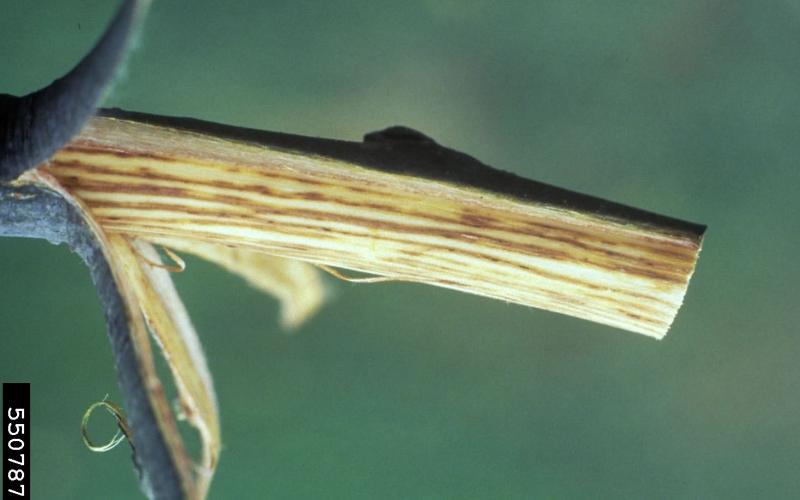

The stately American Elm tree, once a fixture of every neighborhood in Michigan, was decimated by Dutch Elm Disease (DED). This fungal infection (caused by Ophiostoma ulmi and O. novo-ulmi) is aggressive and lethal, often causing death within a single growing season. While new resistant varieties exist, protecting the mature Elms that remain is crucial.
Understanding the DED Threat: How the Fungus Spreads
DED spreads in two primary ways, similar to Oak Wilt, but with different insect vectors:
1. Above Ground: Elm Bark Beetles
The fungus is carried by the tiny Elm Bark Beetle. These beetles breed beneath the bark of dead or dying Elm trees. When they emerge, they fly to healthy Elms to feed, carrying fungal spores that they deposit into the tree’s water-conducting system (xylem) through tiny feeding wounds.
🚫 Key Action: Remove and Destroy Infected Wood Immediately
To break the beetle's life cycle, it is absolutely essential to immediately remove and properly dispose of any dead or infected Elm wood. Do not store Elm firewood on your property, as this creates a breeding ground for the beetles.
2. Below Ground: Root Grafts
Healthy Elm trees and diseased Elms can fuse their root systems together, creating root grafts. The DED fungus easily travels through these grafts, often infecting an entire line of trees quickly. This is common in trees planted close together.
Our Top 3 Prevention Strategies for Elms
Protecting a high-value Elm requires a multi-faceted approach focusing on prevention and maintaining tree vigor:
-
Maintain Overall Tree Health (PHC)
A healthy tree is better able to defend itself. Our Plant Health Care services, including deep root fertilization and proper pruning of deadwood, ensure your Elm has the necessary nutrients and defense mechanisms to resist infection.
-
Fungicide Injections (Systemic Prevention)
For high-value, uninfected Elm trees, a systemic preventative fungicide injection is the most effective tool. This treatment is administered directly into the trunk and provides protection for up to two to three years. Timing is key, and it must be applied before infection.
-
Root Graft Disruption
If a tree near yours is diagnosed with DED, we can use trenching or chemical methods to sever the root grafts, creating a protective barrier around your healthy Elm before the fungus can spread underground.
If you observe signs of DED (sudden wilting and yellowing of leaves on one or more branches, often starting at the top), please contact our arborists right away. Time is critical for diagnosis and containment.